Act I
Thesis
Start with one claim the room can challenge, sharpen, or use.
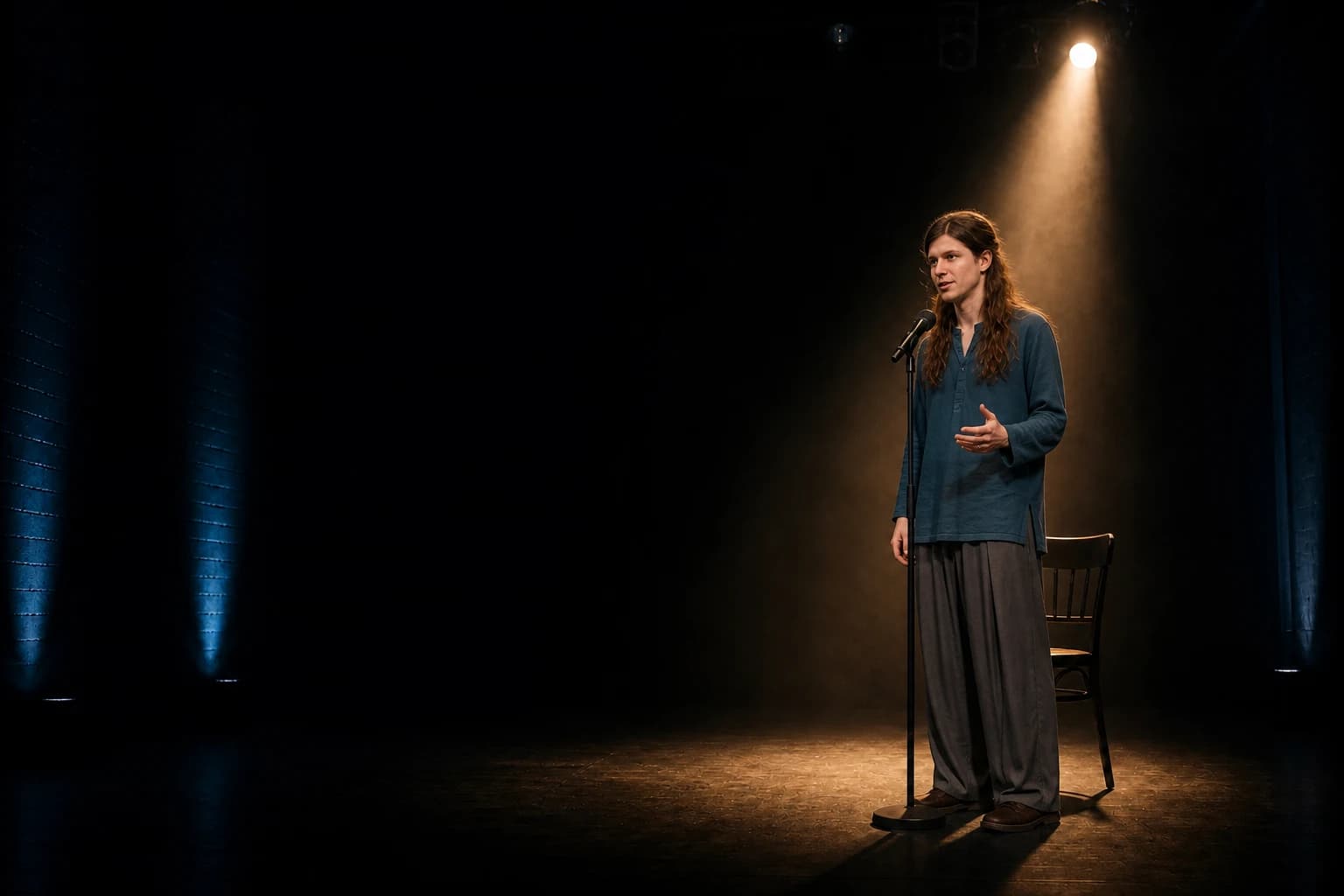
I am interested in conversations about AI abundance, human agency, learning, gamification, and the search for meaning after compulsory work becomes less central.
Act I
Start with one claim the room can challenge, sharpen, or use.
Act II
Move through work, understanding, and participation as live questions.
Act III
Choose the shape based on how much participation the audience can hold.
Intermission
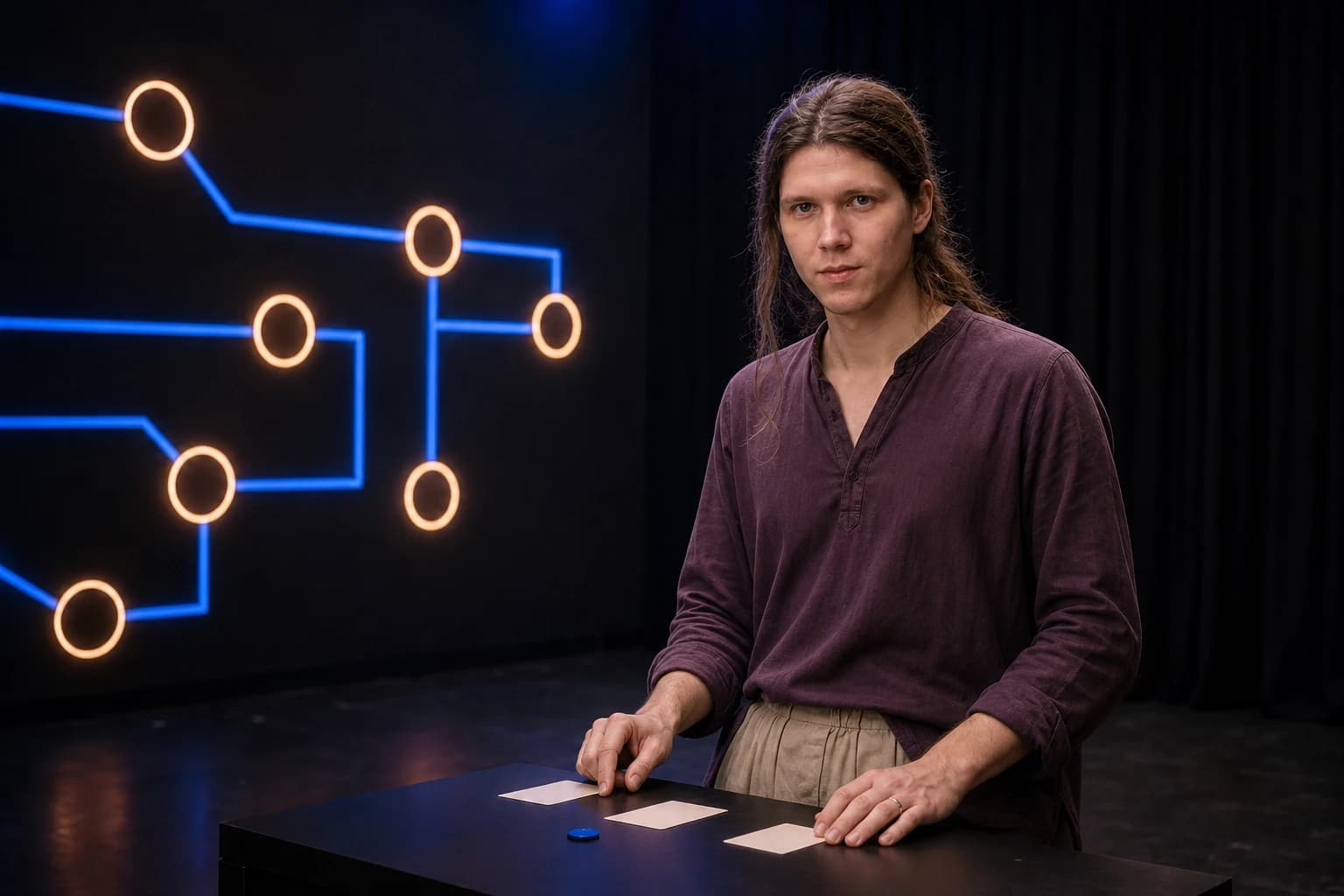
Before narrowing the conversation into topics, put the system on the wall, the choices on the table, and human judgment back in the room.
Act II
These are stage-bill rows, not packaged promises. Each one is meant to be narrowed to the room.
Scene 01
If compulsory work becomes less central, what do people practice, build, and belong to?
For founders, educators, operators, and community builders thinking about agency after AI-driven abundance.
Scene 02
How do we use AI to move faster without outsourcing the judgment that lets us know what good means?
For product teams, technical leaders, and learning communities adopting AI tools with care.
Scene 03
What changes when game mechanics are used to deepen participation instead of merely extend screen time?
For builders designing education, community, wellness, or product systems where motivation matters.
Act III
A premium room can still be candid. The point is to keep the live question visible while the format changes.
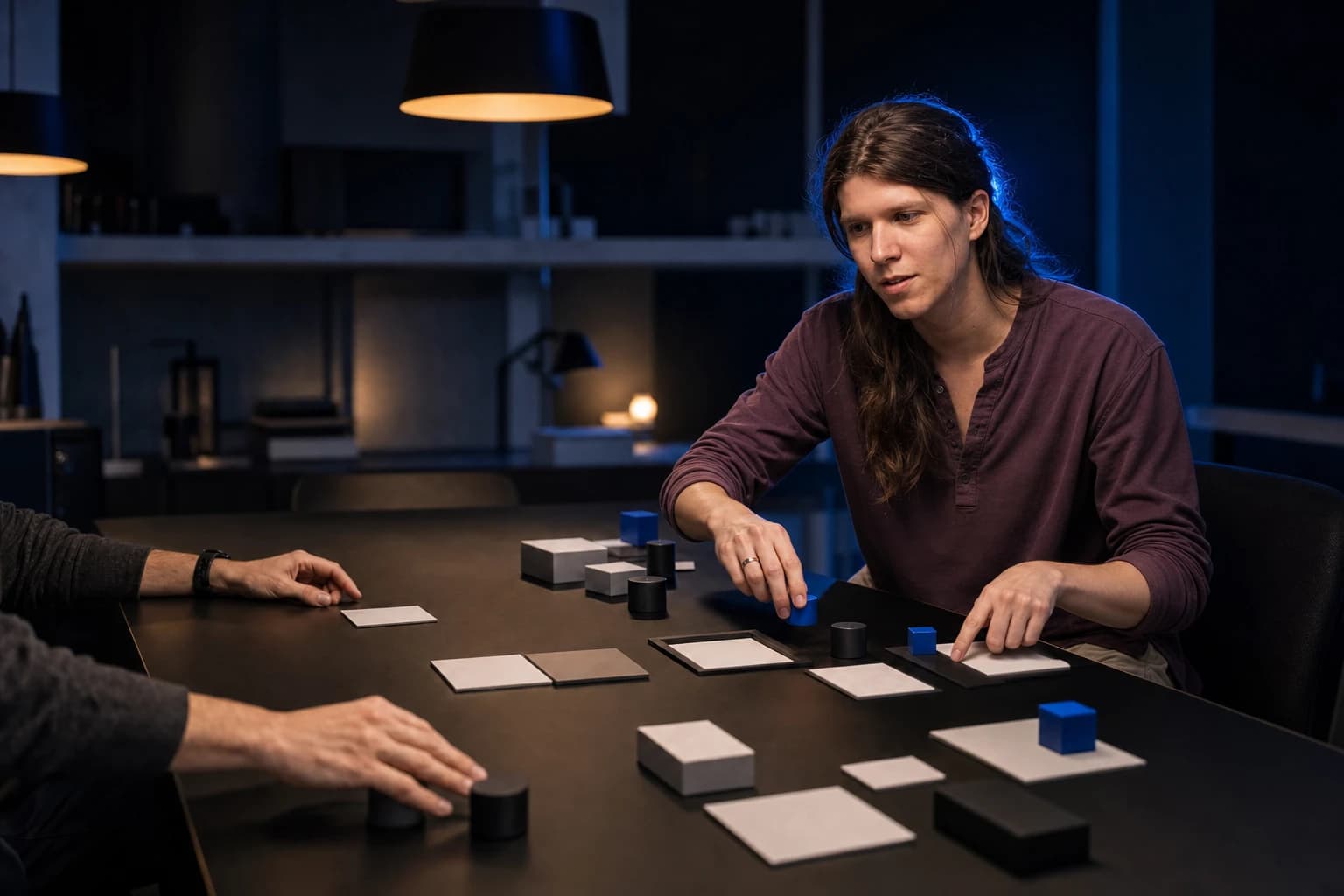
A prepared talk around one question, with enough structure for a room and enough friction to avoid a generic AI keynote.
A conversational format for unpacking the essay, current work, and where the argument is still unresolved.
A working session for a team or community that wants to apply these ideas to a product, learning system, or participation problem.
A smaller room for founders, educators, or operators who want a candid conversation around a shared strategic question.
A facilitated build sprint where participants turn one thesis into prototypes, experiments, or participation mechanics that can be inspected after the session.
I want the room to leave with sharper questions, not a motivational fog. The useful part is the argument we can inspect together.
I prefer concrete essays, product patterns, workflows, and games over abstract future talk.
The interesting parts are usually where the confident story breaks. I am comfortable naming what I do not know.
I like formats where people can test the premise, bring objections, and make the conversation less passive.
Send the audience, format, date range, and the question you want to test. I will answer from the actual fit, not from a blanket speaker pitch.
Revisit the essay behind this page