Year 2025 Review: Don’t chase the carrot. Personal Update.
Chasing happiness
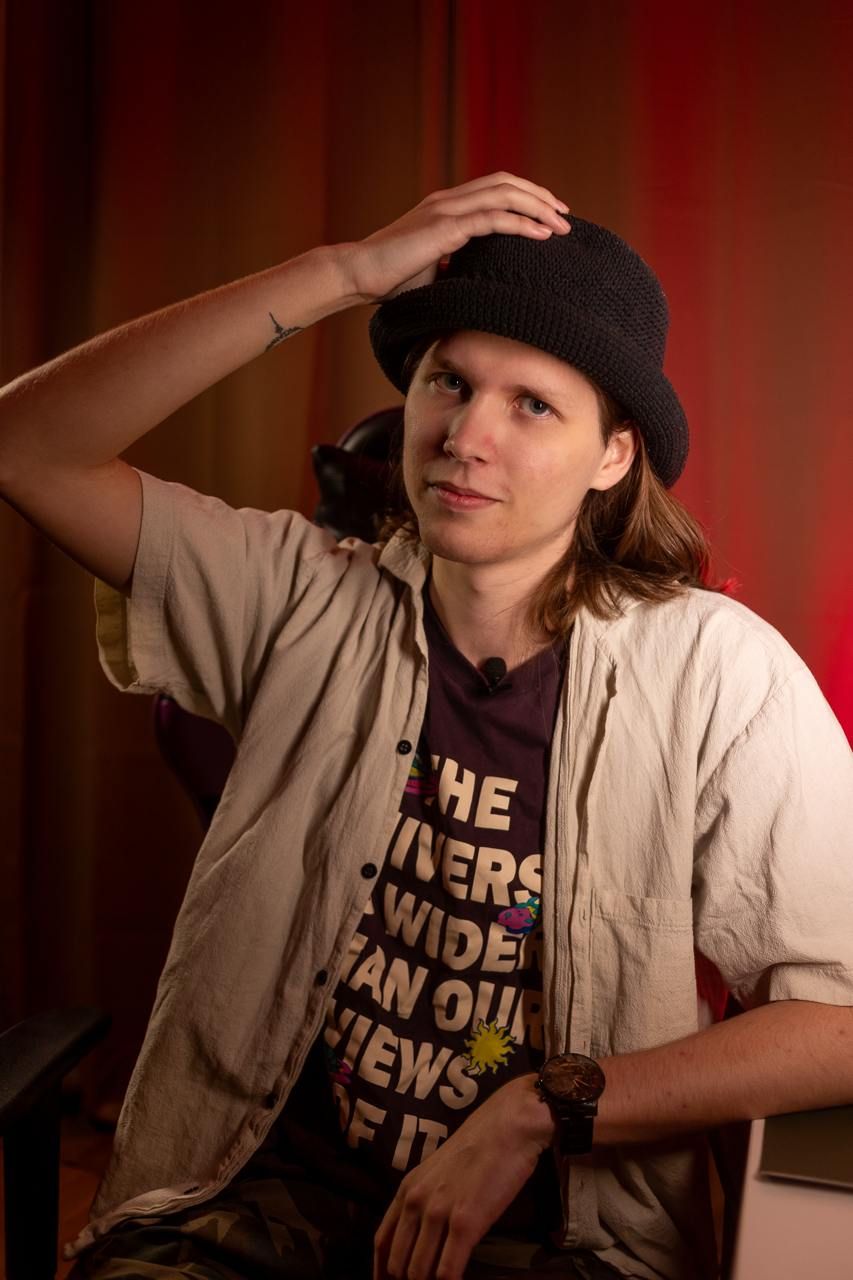
It’s funny how much we crave happiness, and how hollow it can feel once we catch it.
By the age of 24, I had everything I ever dreamed of. A stable, future-proof role as a fractional CTO, with a good salary and flexible hours. I had social recognition and attention from the opposite sex. A beautiful condo in a welcoming place with great weather, complete with a gym, pool, and daily cleaning. I could enjoy gourmet meals every day and even treated myself to daily massages.
Despite all this comfort, something important had faded. I still had big ambitions, but I felt too comfortable and secure. The boundless energy I had four years ago - even two years ago - was gone. I felt lost, sad, and unproductive. I told myself, “I deserve some rest.”
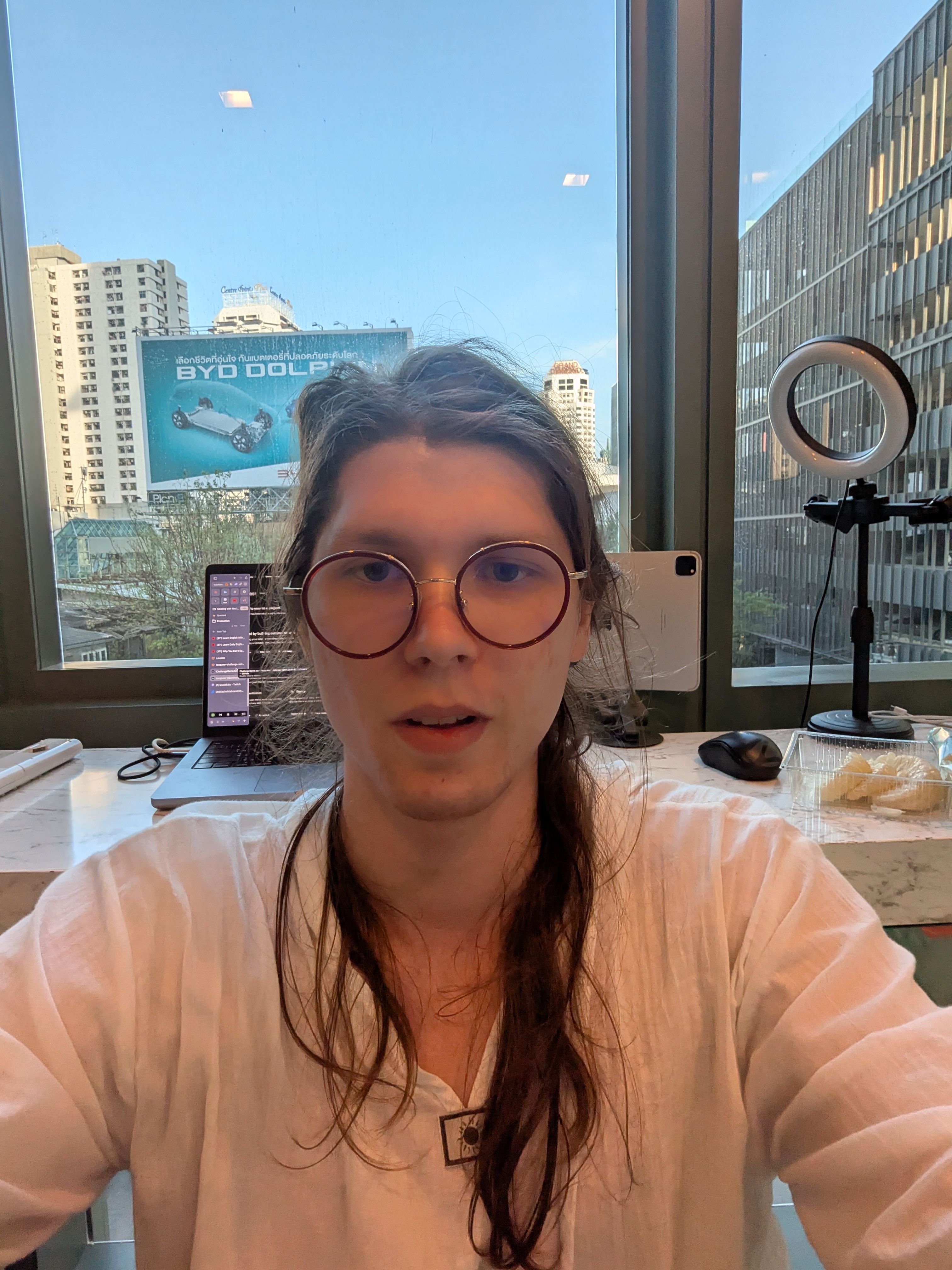
So I took a luxury vacation in Thailand. But even that didn’t fix me. Normal relaxation wasn’t making me happy anymore. I needed more than lazy days by the pool. And that’s when I started smoking weed.
I’d wake up, see the sunny weather outside, and daydream about staying in bed, feeling high and carefree. I’d head to the bathroom, get out my bong, and take my first hit of the day. Then I’d open my laptop and ask an AI to write code for me, barely even looking at what it produced. The code went straight onto the main branch.
After a month of this, I had about 15 new features that were supposedly “90% done.” AI had told me they were complete. In reality, none of them worked properly. The code was a mess. I looked at it and thought, “This is garbage.” So I asked the AI to rewrite it, took another hit, and waited while it “thought.”
With weed in the mix, time started slipping away unnaturally fast. Weeks blurred into days, and months felt like moments. Eventually, the consequences of prolonged weed use became obvious. My memory was failing—events and tasks I did while high were gone from my mind. I even struggled to remember things I knew before. Remembering names or facts became a Herculean effort.
My body also began to suffer. I often woke up nauseous, sometimes vomiting, and spent each night promising myself I’d quit the next day. But I couldn’t stop. I was chasing a high that wasn’t fulfilling.

Historians will call this period the golden years of weed in Thailand. It was like the new California: 24/7 delivery, kiosks on every corner, dozens of strains. You could buy weed any time of day in every form, all fully legal. My tolerance grew with every joint and edible. By spring 2025, smoking resin or hash barely got me high at all—just enough to feel “okay.”
I knew I needed help. I was smoking day and night, unable to survive a day without weed, and each sober day led to a weeklong binge. Around that time, I connected on Threads with a potential co-founder—a marketing person from Portugal. It felt serendipitous, like finding someone who might solve all my problems.
After a few chats, I moved to Portugal to start a trial project with him. Ironically, just two weeks after I left Bangkok, an earthquake hit my old building, cracking the walls.
From now on, every time I leave a country where I’ve stayed a while, I plan to post a quick heads-up on Threads for friends in case of disaster.
Europe and lost passport (yet again)
Every nomad in Asia knows that Europe has a reputation. People joke that in Europe you often get poor service, rude people, and bad weather, all for a high price. After living in Europe for 9 months in 2025, I can confirm that’s at least partially true.
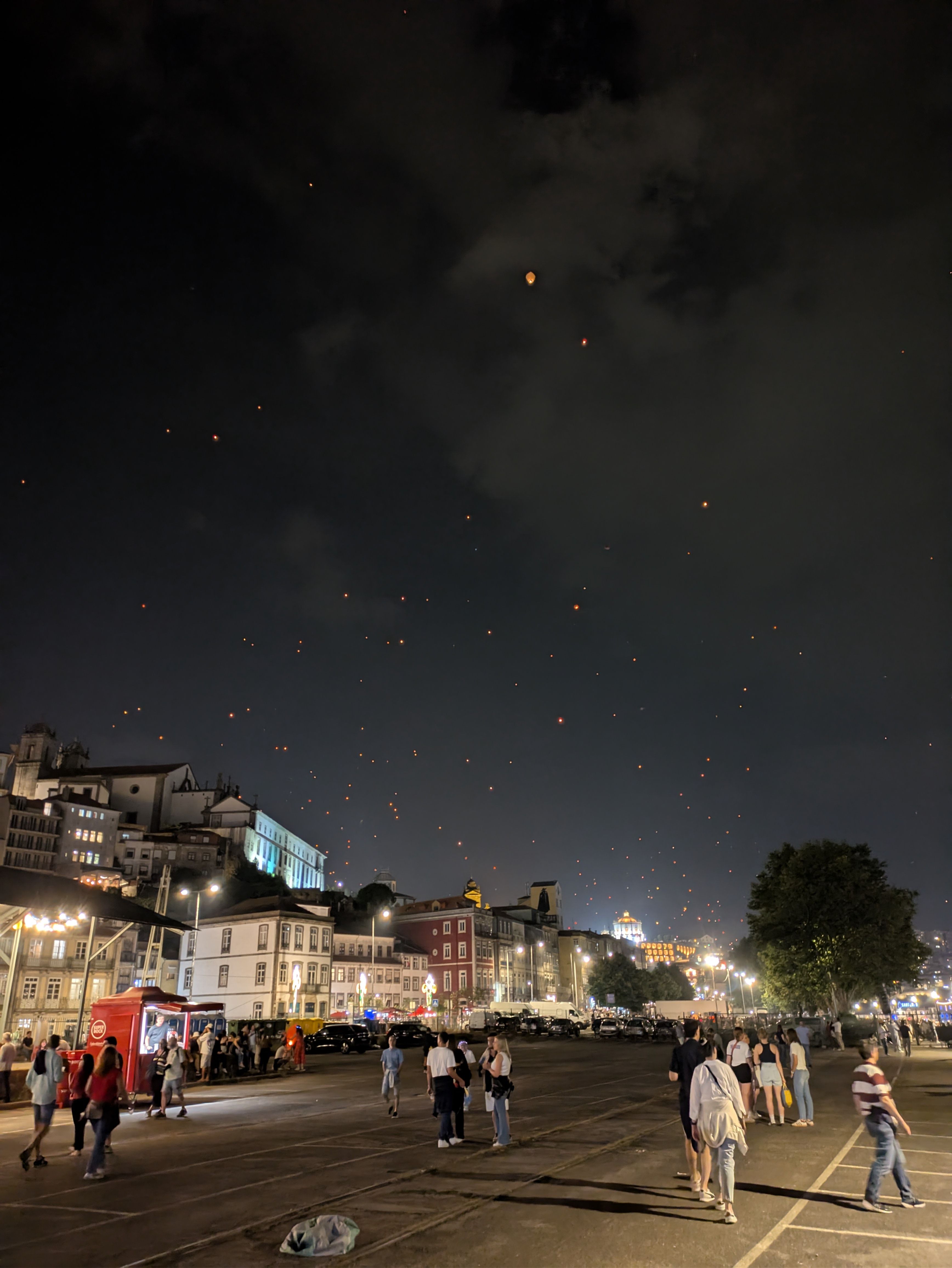
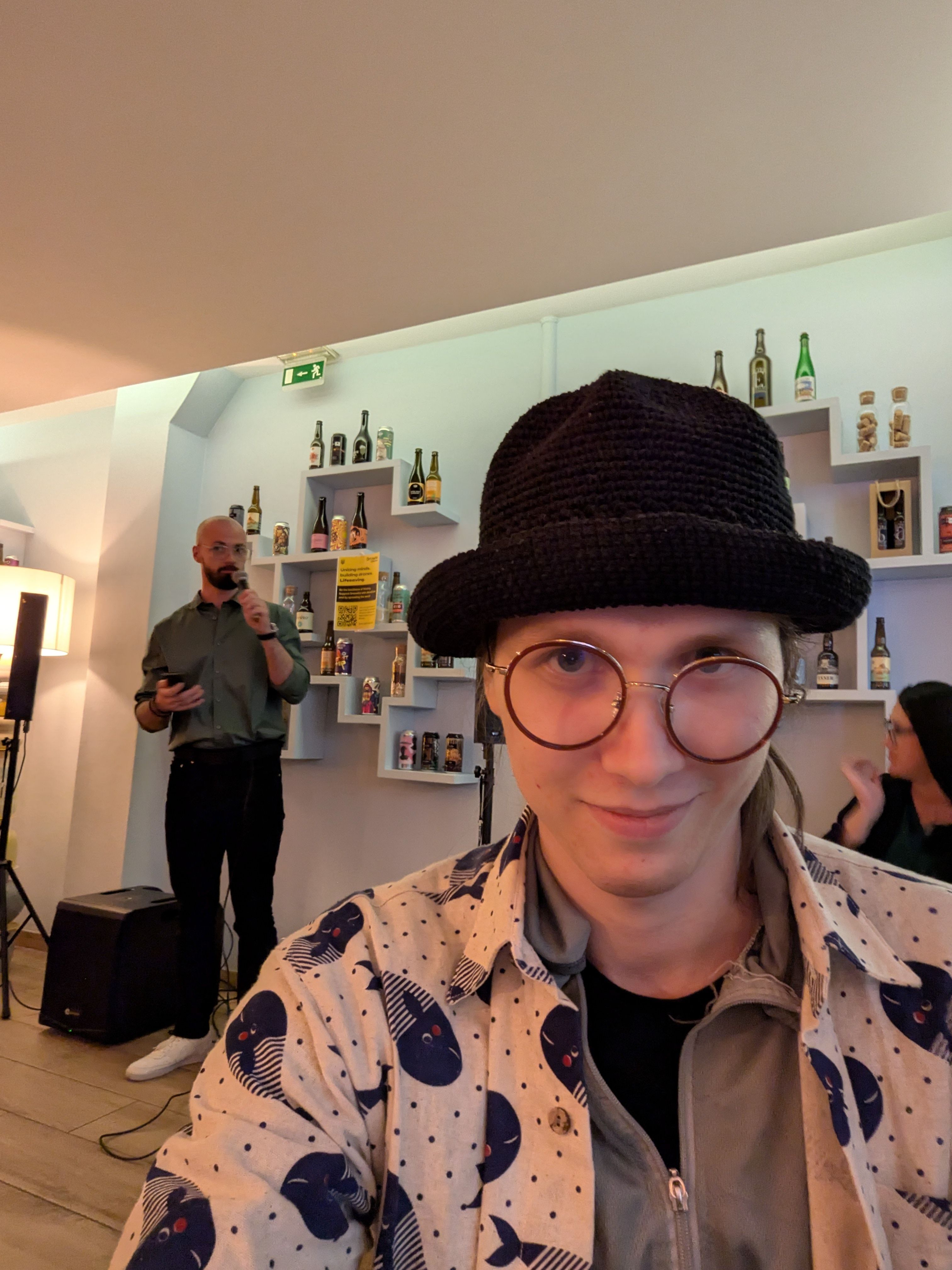
I began in Portugal—a sunny country with beautiful beaches and a surf culture. For many, it’s a vacation paradise. After Thailand, it felt chilly and damp. I was greeted by gray skies and a chilly 10°C on my first day. After months of 30+°C in Thailand, that felt like -20°C. I even had to buy a winter coat on arrival.
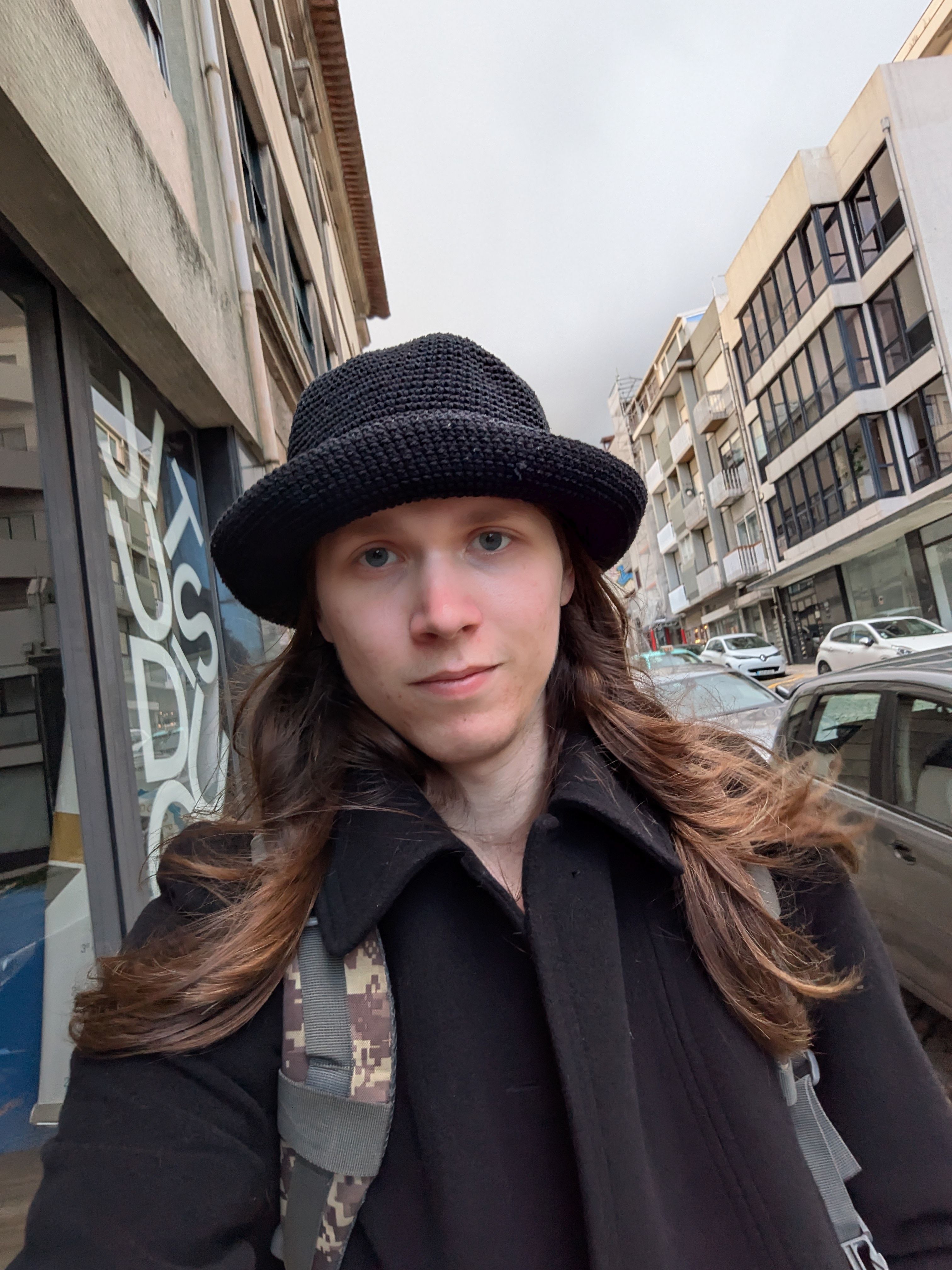
The cost of living was surprising too. In Thailand, I was paying $600 a month for a city-center condo with a pool, gym, and sauna. In Portugal, I paid $600 for a dorm room with just a bed and a chair, above a loud nightclub.
On the bright side, European supermarkets were a pleasant surprise. Discounted high-quality products, ready-to-eat meals, and so many options. One thing I missed dearly was fuet sausage—I ate it almost every day in Porto and still crave it.
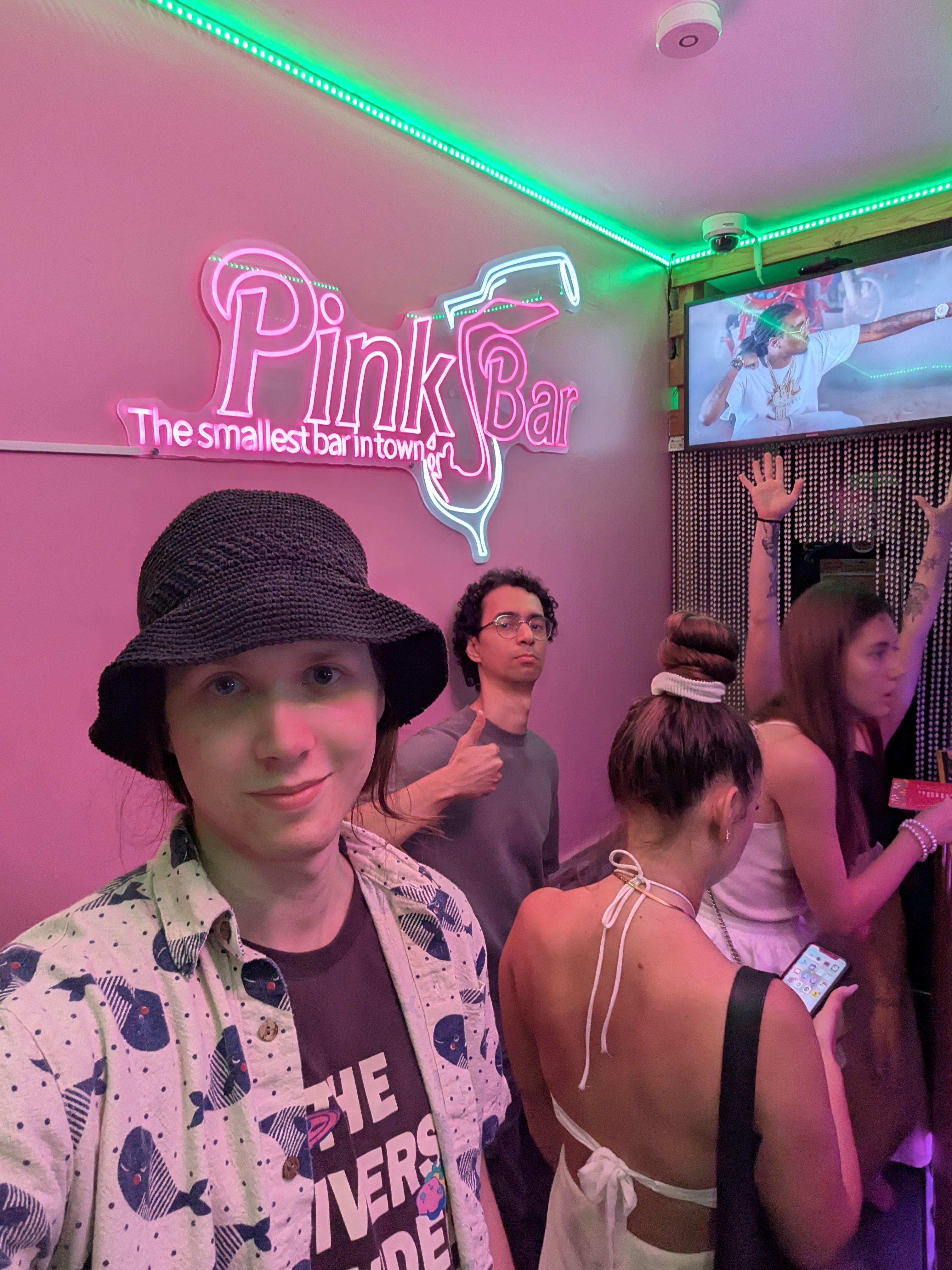
During this time, an AI assistant (Claude Code) became my close friend. I could build product features ridiculously fast with its help. The trial project with my potential co-founder went well technically, but the partnership didn’t stick. After four months in Portugal, I decided to move on.
About four years ago, I had surgery in Ukraine for a chest implant that was correcting a ribcage issue affecting my heart and lungs. That implant needed removal now. I couldn’t safely return to Ukraine, and surgery in the EU was far too expensive. I found a great, affordable surgeon in Turkey, so I planned the implant removal there after leaving Portugal.
I decided to take an overland trip through Europe. First stop: Spain. I had an amazing weekend catching up with a friend from Scrimmage.
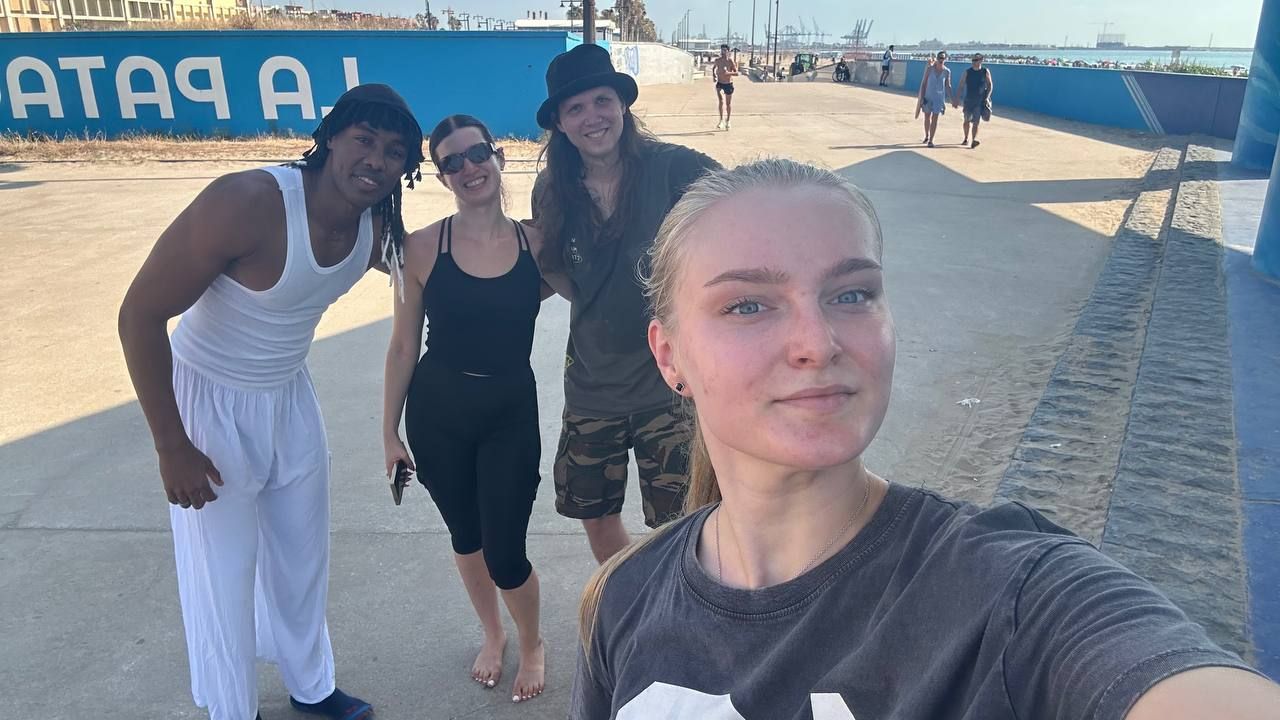
Then I headed to France. After France, my plan was to go to the Netherlands, then down to Turkey for surgery.
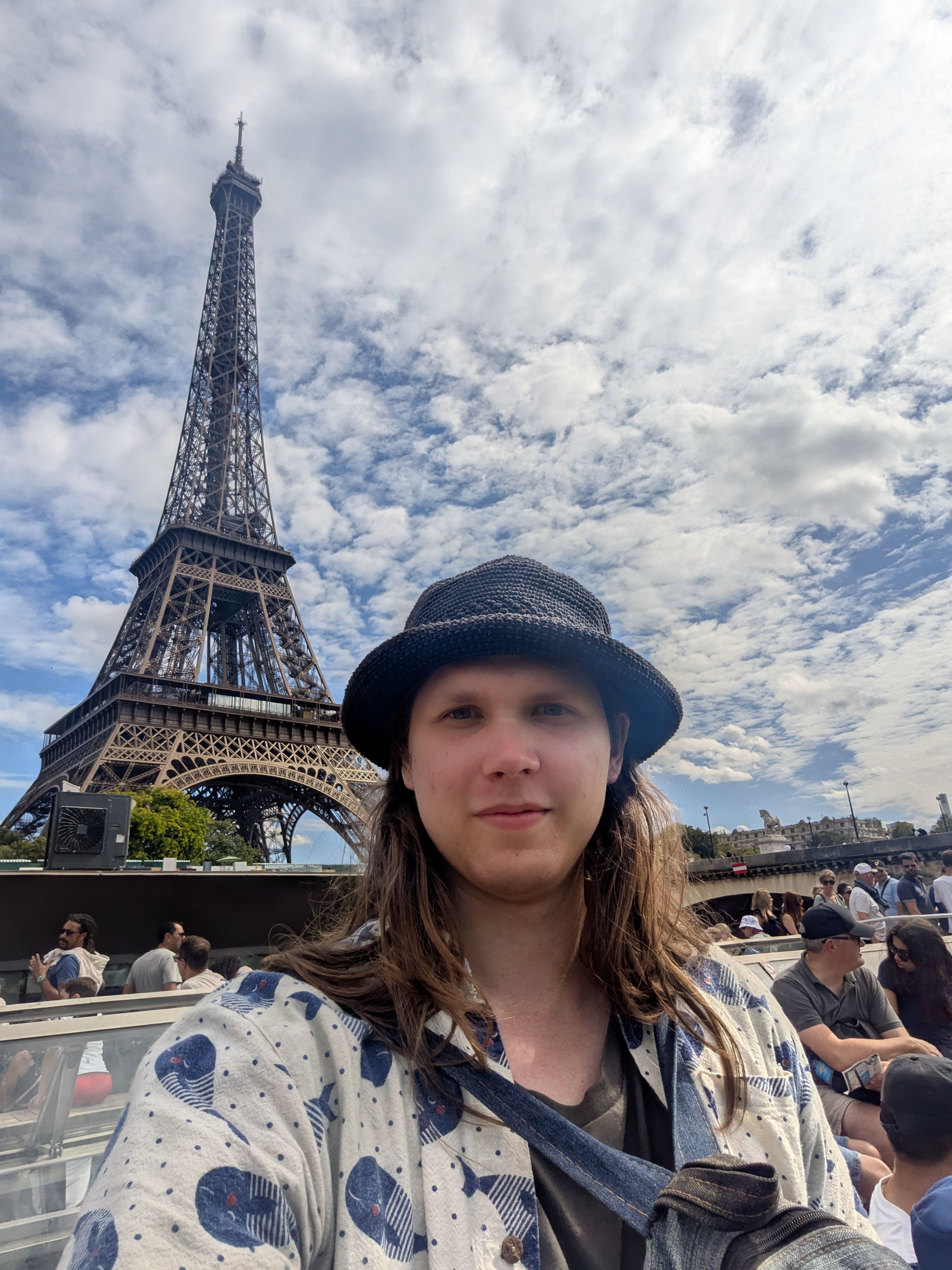
But in Amsterdam, something unexpected happened: I lost my bag with all my documents on an overnight BlaBlaBus from Paris. The bag contained a few hundred euros and all my ID—passport, driver’s license, everything. I filed a request to recover it, but BlaBlaBus support was unhelpful. Lesson learned: don’t use BlaBlaBus. I’d rather pay more for FlixBus. Their service is more reliable, and if something goes wrong, they actually try to help.
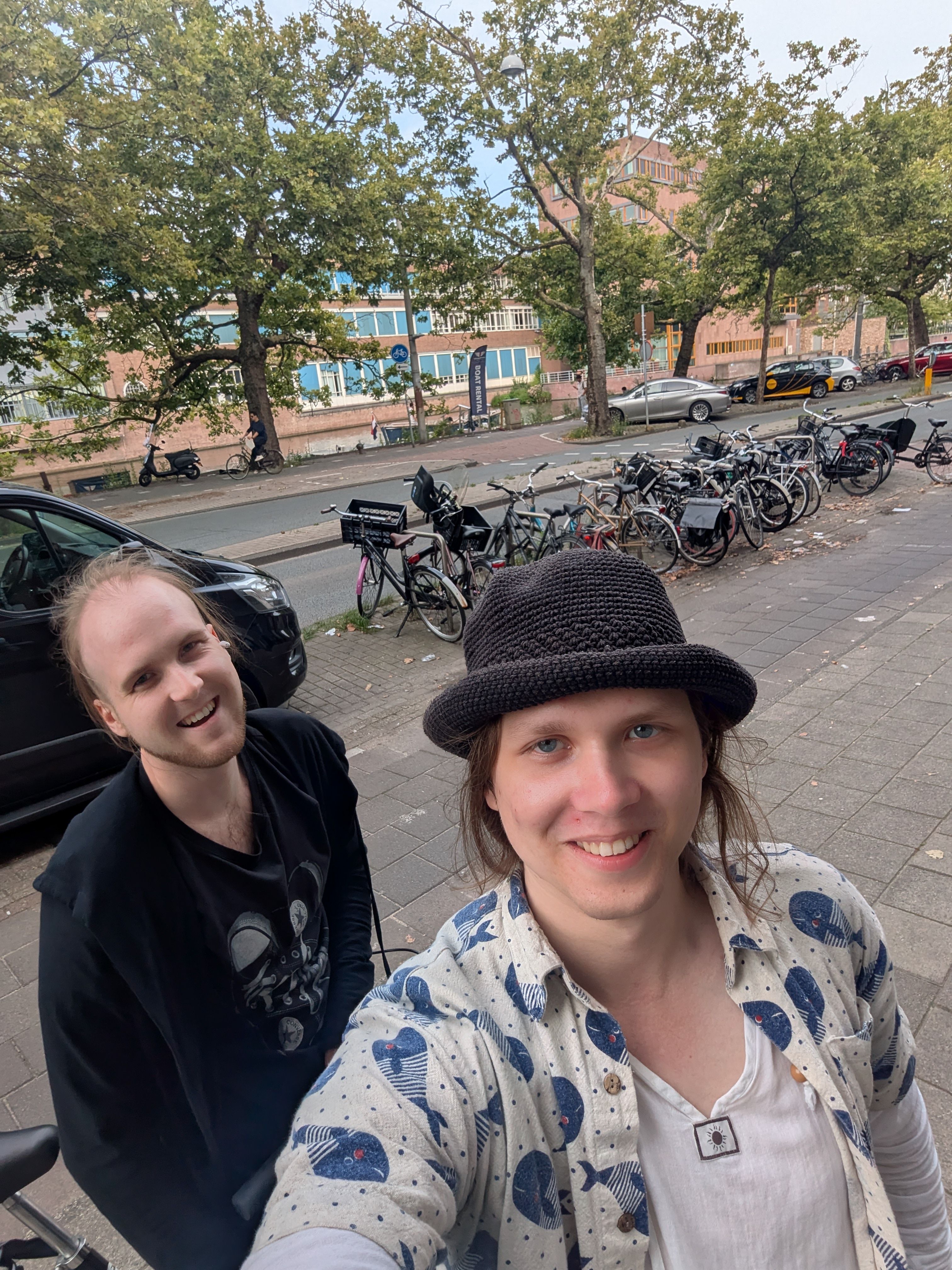
With no passport and cash in a new country, I felt like a character in a video game. I was stuck. The Dutch housing market was nightmarish—sky-high rents and nearly impossible without ID.
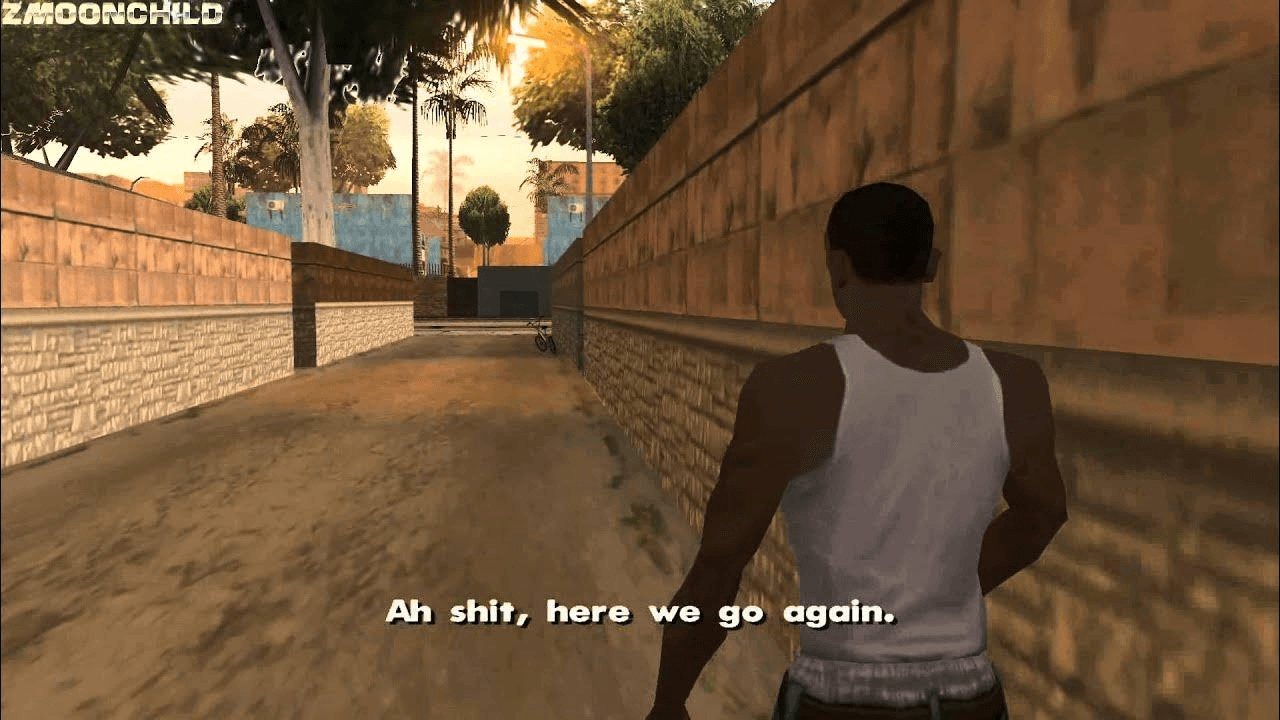
I was stuck in a new country without documents. Again. Reminds me of good California times. At this moment, I felt like a guy from GTA.
Poland
I knew that within Europe, border checks by bus are infrequent. So I took a gamble: a bus from the Netherlands to Poland, hoping to renew my passport there. It was risky, but it worked.

Soon enough, I was living in Wroclaw, Poland—a beautiful city. I invited an old college friend to live and work with me. We threw a housewarming party with friends from my Polish university days and settled in for what could be a long stay.
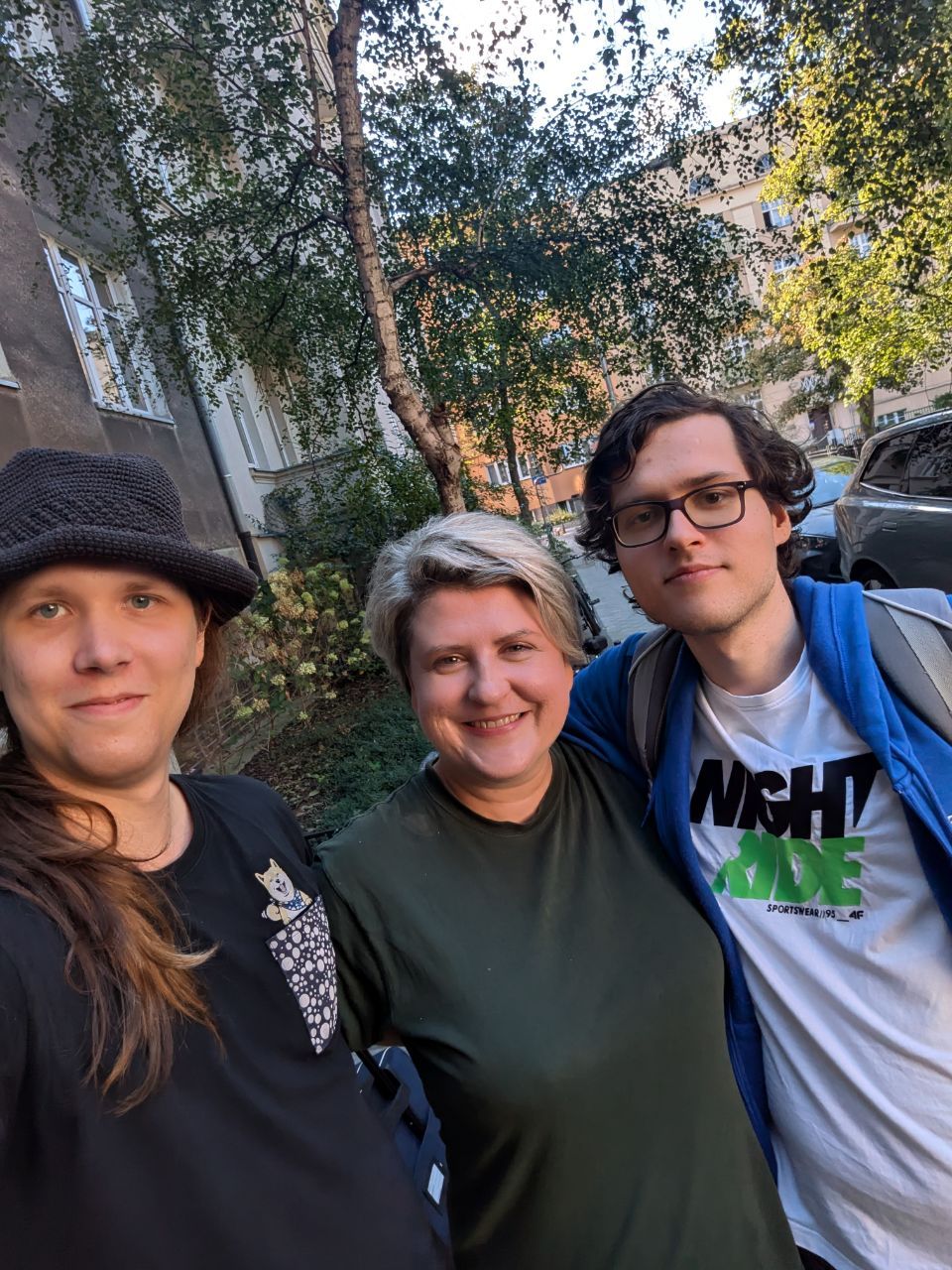
At that point, I still didn’t know if I’d stay in Poland for good or just wait out the passport renewal. It depended on how the country treated me and how my business partnerships developed.
Partnership with a friend didn’t go well. Poland also wasn’t too welcoming.
It turned out, Poland wasn’t quite the refuge I hoped. After four years of war in Ukraine, Poland became the main refugee hub. Initially, Poles welcomed Ukrainians; later, tensions rose. Many Poles felt that Ukrainians were taking jobs, driving up rents, and receiving significant government aid. The mood shifted—friendly smiles turned scarce, cashiers became curt, taxi drivers were often rude.
I’m not sure if this was directed at me personally or anyone new. The atmosphere felt cold. Once I finally got my passport back, I had zero desire to stay.
Ireland
There was nothing that held me in that country at the point of receiving the passport. I left Poland in the most Yev-like manner possible. I left overnight and moved to Ireland.
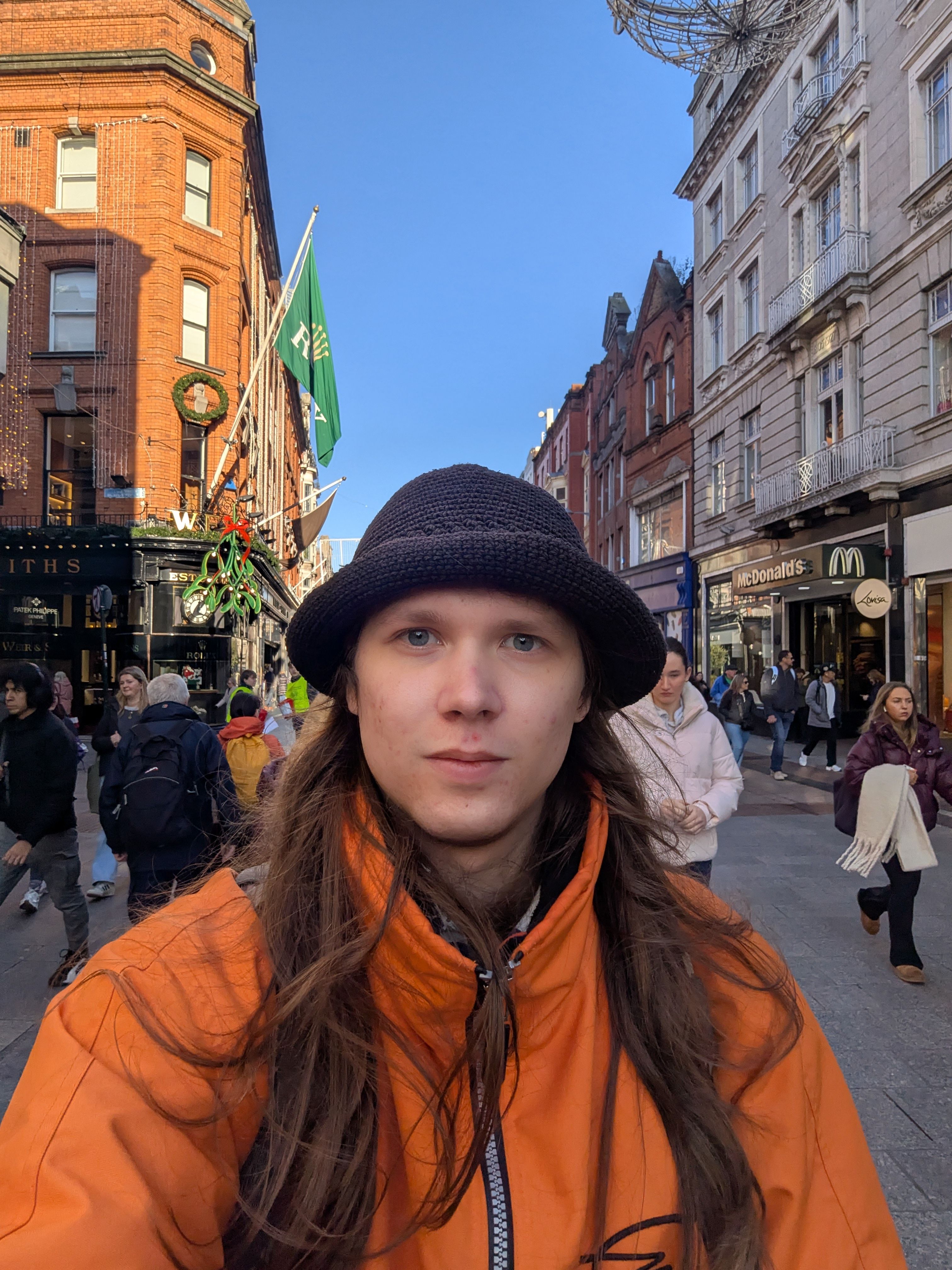
Ireland welcomed me with open arms, and I fell in love. Let me give you a small review of Ireland.
Groceries & Food: Irish supermarkets are fantastic. Loyalty programs mean great deals. Cashiers are warm and friendly. I love dark beer, and Guinness lives up to the hype - it’s like a national treasure here. I also love high-quality beef, and Ireland’s is among the best in the world.
People & Culture: The Irish people are something special. Walking down the street, you’re likely to get a smile or a friendly joke from a stranger. Sometimes even a compliment or an invite to the local pub. I connect with the Irish sense of humor -sincere, sarcastic, self-deprecating, and easy-going.
Diversity & Immigration: Ireland is quite diverse, thanks to fairly open immigration policies. There are restaurants and shops representing cuisines from all over the world. It feels enriching and multicultural, without feeling unsafe or chaotic. The country is politically stable and safe—great for raising a family.
Safety: I feel comfortable walking at night anywhere. Homelessness exists, but I’ve found them generally kind and non-threatening.
Challenges: Of course, Dublin has its issues. Housing is a crisis. Finding a decent apartment at an affordable price is almost impossible without connections. I’ve heard people spending years looking for a long-term lease. Groceries and eating out are expensive here—my dollars go a lot further in Thailand. The weather is often rainy and chilly. Right now I enjoy the cozy vibe, but I worry I might become vitamin D deficient or a bit depressed in the long run if I don’t get enough sun.
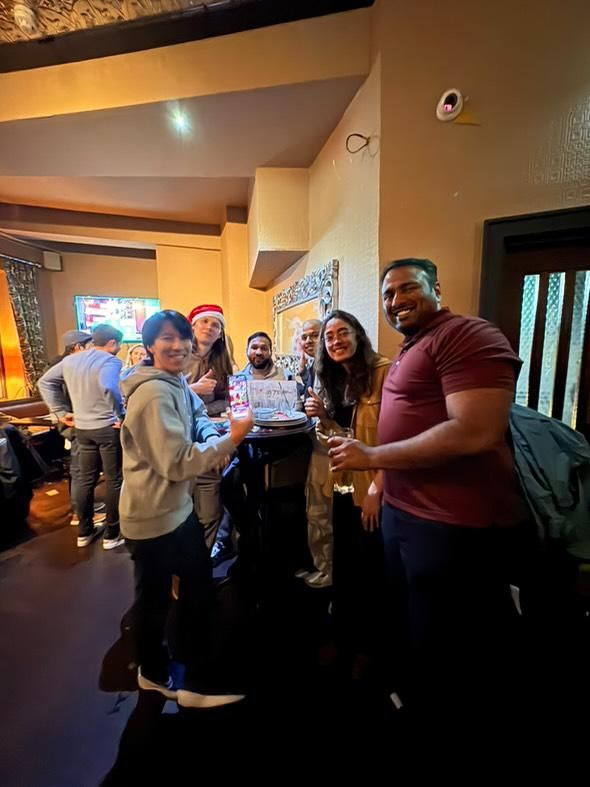
Even with those downsides, I truly think Ireland is one of the best places in the world to be right now. Especially if you wanna have a family. It’s English-speaking, immigration-friendly, and ranks highly for quality of life.
I’ll spend some time in 2026 giving Ireland a proper shot and seeing where it leads me. Thailand is still calling, so it’s a tough choice between two amazing, very different countries.
Gaming can be an addiction
I rarely accept someone being more intelligent than me. My friend was one of the few humans on earth I consider such.
Yet that friend, despite his talents, is broke and failed at work and school. I wondered why someone so intelligent was so unsuccessful. Living with him for a few months finally showed me the answer.
You see, I used to think “gaming addiction” was exaggerated. Video games seemed harmless—better than booze or drugs. They teach strategy and problem-solving. Even playing 16 hours a day, I felt smarter and satisfied.
But witnessing my friend’s spiral changed my mind. Anyone addicted to alcohol or drugs eventually hits a breaking point and sees the harm. But gaming is trickier. At first, it seems beneficial. You learn leadership in clan wars, strategy in competitive games, and sometimes even earn money through tournaments or streaming. You feel mentally sharp and rewarded. Others usually smile and say, “It’s cool, you’re just good at games.”
However, I realized gaming can become all-consuming. It makes you feel like a hero inside the virtual world, while real life feels dull by comparison. You start seeing others’ lives as episodes of a game you haven’t unlocked. The buzz of a new patch is like Christmas, a new game is a dream birthday gift. Meanwhile, your job, relationships, and health deteriorate quietly.
Gaming is perhaps the most deceptive addiction for our generation. Gen Z is immersed: over 80% of us play games regularly. We need to recognize the risk. Games have benefits—focus, creativity, problem-solving—but we must play responsibly. Don’t let gaming become your whole life.
Buddhism
In my search for energy and happiness, I found Buddhism.

When I was 19, I subscribed to the Waking Up app (formerly Sam Harris’s app). It was expensive for me then, so I threw myself into it. I went through all the courses, meditated for over 200 hours with it. Eventually, meditation became less of a habit and more of an occasional practice. I felt stuck again, as if I’d hit a plateau and didn’t know how to go further.
Waking Up was amazing for an introduction and framing meditation scientifically. But it didn’t guide what to do next. So I started reading original Buddhist texts and watching lectures online. Huge shout-out to Bhikkhu Bodhi’s lecture series on YouTube—it’s incredible. His talks and the middle-length discourses I read revealed the depth of Buddhism to me.
I realized how profound the path is and how little I’ve truly mastered. But more than that, Buddhism started making sense as a path to real happiness. It convinced me that the teachings on the Four Noble Truths and the Eightfold Path hold keys I needed. My journey has only just begun.
Meetups and Cocktail parties
For most of my life, I thought I was a loner. I believed I didn’t need many friends. But something changed this year, and I’ve surprised myself.
Maybe the years of heavy weed use broke down my last social barriers. Maybe a year of near-total isolation in Thailand taught me I needed people. Perhaps meditation and Buddhism made me more open and positive. Probably it’s all of that combined.
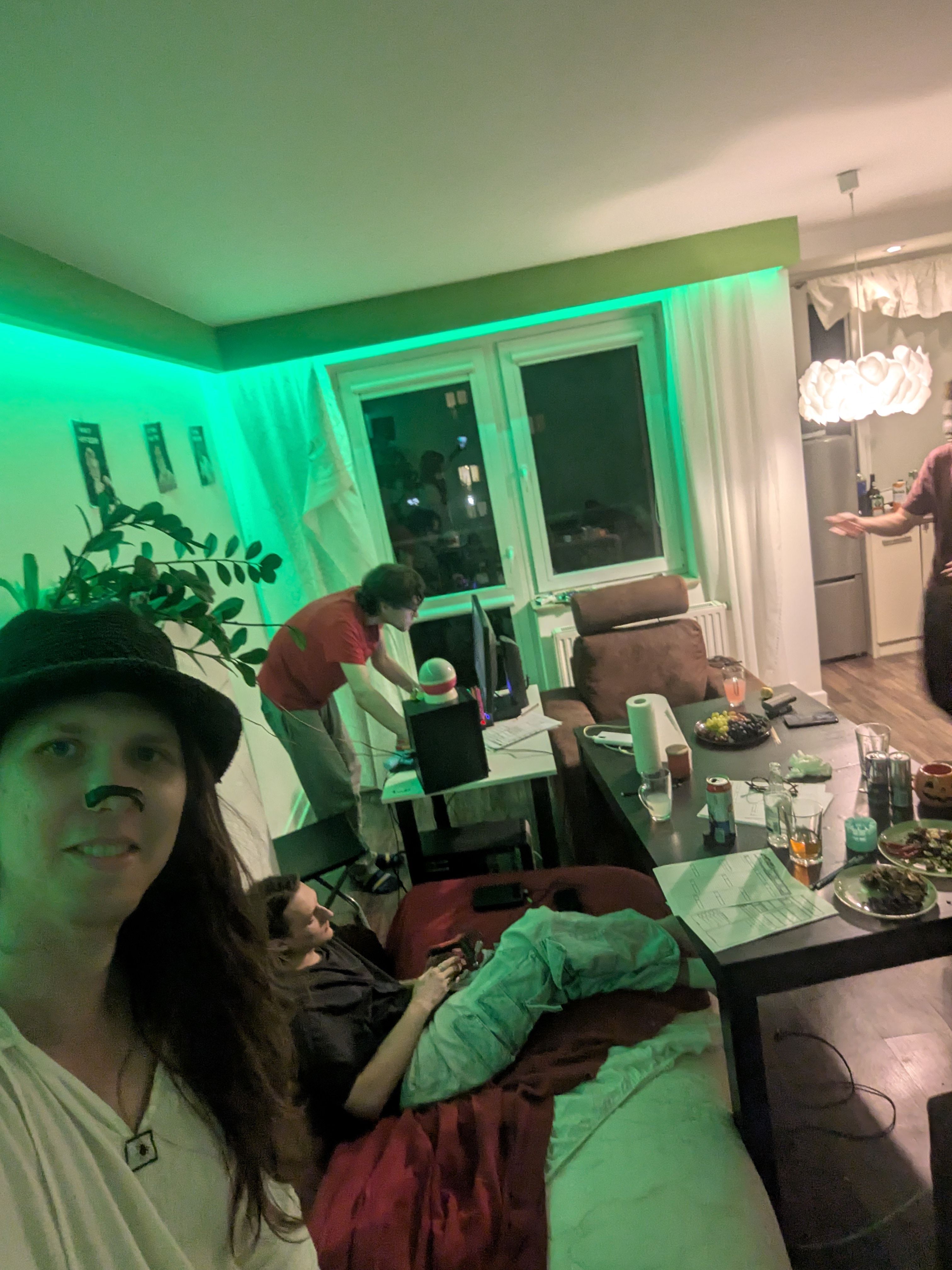
This year, I set a goal to be more social—and I actually smashed it. I discovered that I do get energy from conversations. I even wonder if I’m not an introvert at all, but an extrovert with some past traumas pretending I was shy.
I attended over 50 in-person events this year, almost one per week on average. Mostly Meetup.com events, but also Instagram and Threads meetups. Some weeks had none; other weeks had two events every day.

Meeting people is tough for a nomad. My trick has been to go to meetups to make connections wherever I land. Despite all the traveling I did, thanks to these meetups I always had someone to hang out with.
In Poland I took it to the next level, and started hosting cocktail parties in my house. Every week I have being inviting 4-5 existing friends and 4-5 strangers to my house for a casual cocktail evening.
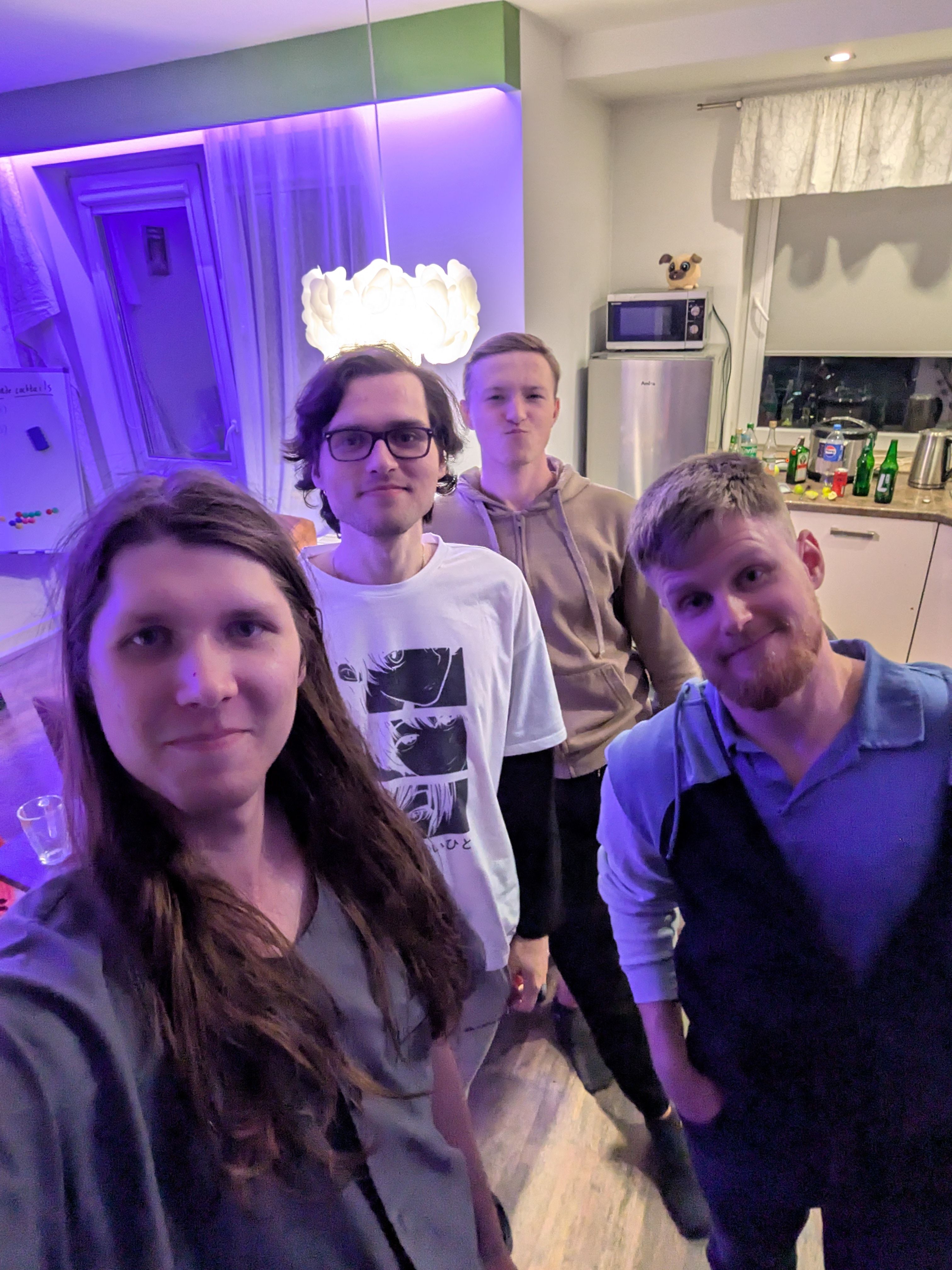
I’m proud that I connected with over 100 people from different countries and professions this year. Those connections have enriched my life in ways I didn’t expect. I plan to keep this momentum going.
DND and life operating system
I’ve always been fascinated by treating life like a game. In a game, you identify strengths and weaknesses, make a plan, and execute it. But in real life, you only get one playthrough.
This year, I discovered Dungeons & Dragons (D&D). It unlocked something amazing: the ability to "play" another life that felt real. It’s like having multiple lives. I have what I call an internal “life operating system”—a set of beliefs and values, currently at version 6. Normally, I update it after major life changes, but it's hard to know which version is best.
D&D lets me test-drive different operating systems. I can role-play as someone with slightly different values or skills and see how things go. The adventures you have in D&D feel real—your character can live and even die (usually permanently unless there’s a resurrection spell). Death in D&D isn’t easily reversed, so you learn to make smart choices.
The power systems, abilities, and skills in D&D fascinate me. I map them to my own life: how would I allocate skill points if I were a character? It’s a fun mirror to my real strengths and weaknesses.
D&D is also great acting practice. As a player, you get to improvise and perform without revealing your real-life identity. It’s like being a character in a story. I meet new people and can socialize without the anxiety of “introduce yourself.” It’s honestly a dream come true for anyone who wants to improve communication and creativity.
I plan to keep playing and eventually run my own campaigns. The mix of creativity, storytelling, and social interaction in D&D has been one of the most rewarding discoveries of 2025.
Self-hosting
Nomad life can make you feel rootless, but this year I built a home in the cloud. I bought a Virtual Private Server (VPS) from Hetzner—12 CPU cores, 64 GB RAM—for about $44 a month.
Why? Because I was tired of platforms that make hosting easy but limit you. Services like Vercel are convenient, but they force you to pay per site, restrict private repos, and limit environments. I discovered Coolify, an open-source Vercel alternative. Then it clicked: just rent a powerful server and host as many things as I want, no limits.
On my server, I host these public projects:
- rachkovan.com: My personal website and blog.
- hell.rachkovan.com: My first serious tech product, which I plan to renovate and relaunch.
- db.rachkovan.com: A NocoDB instance. I use it for business stuff and to track personal favorites (movies, games, books, etc.).
- chef.rachkovan.com: Mealie recipe manager with all my favorite recipes (and ones I’ve created).
- legal.rachkovan.com: Docuseal for digital signatures—contracts, agreements, and anything I want signed properly.
- rpg.rachkovan.com: A FoundryVTT server to host my D&D campaigns (coming soon).
And then some internal tools:
- OpenWebUI: Connects to OpenRouter to test different AI models, so I pay per usage instead of a flat fee. Part of my personal AI infrastructure.
- MonicaCRM: A personal CRM to keep track of people I meet, so I remember names and details.
- Crawl4AI: A web crawler API for my AI bots to fetch content. It’s an alternative to expensive tools like Firecrawl.
- n8n: A low-code automation platform I used to build quick automations early in the year.
- Karakeep: A bookmarks manager for saving links with a browser extension and API. It looks nice and works well.
- Langfuse: An AI model monitoring and analytics tool. A much cheaper alternative to something like Langsmith.
- MetaMCP: My meta-pattern manager for AI development. Since I switch AI coding IDEs often, this keeps all my multi-step programming patterns ready.
- SearXNG: An anonymous search engine to let my AI agents browse the web for free and without tracking.
- Strapi: A headless CMS that powers this blog and the Self-degree blog.
- Uptime Kuma: An uptime monitor that pings all my services and notifies me if any go down.
- WebCheck: A custom tool I made to “hack” websites (ethically) and gather info I need.
I also tried a few experiments that didn’t fully take off:
- Minecraft Server: A childhood dream. It’s up, but I barely play anymore.
- Cal.com: A scheduler, awesome, but it needs a Google API that I’m still waiting to get approved.
- Affine: A cool note-taking app (like Notion + canvas). Great idea, but I stuck with Notion for now.
- Postiz: A social media scheduler. Useful, but I got lazy about registering it with every platform.
- Shlink: A URL shortener. Handy, but I hardly needed it.
Everything related to Self-degree (its frontends, backend, and database) also lives on this VPS now. Having this “digital home” means I’m never at the mercy of platform whims or hosting limits.
Goals
Now we are coming to the last part of my essay - the future. I wanna appreciate the change that 2025 did to me, and try to guide the change 2026 is about to bring.
Life partner
When I was 8, relatives were asking, “When do you think you're gonna marry and have kids?” I always replied 21 because that age felt so far away. When I was 16, I started to reply at 25. Now that I'm almost 25, I don't know what to say anymore.
There is a saying that if a person lies twice, he will lie a third time too. I already lied to myself twice, and if I continue doing that, I will stay single till the end of my life.
However, finding my second half isn't easy. I have a hard time connecting with peers my age who have just finished their education and are starting their adult lives, living alone, and seeking acceptance, voice, and meaning. I did that 7 years back, and now I feel way older than I actually am.
There is something valuable my first love taught me. She was from India, and we had been in a relationship for 3 years. India has a 99% marriage success rate. Ukraine has a 50% marriage success rate. So when she was talking about relationships, I usually had to shut up and take notes.
She taught me how important it is to build the right culture in the family and in the extended family. In business, I would call the culture she taught me a “growth mindset”. It is when failure is welcomed, and the retrospective is mandatory.
This has to spread to the extended family, too. When you have a serious fight, I want her mom to try to understand where we failed and suggest what can be done about it, instead of saying, “Yeah, he is a jerk, you are a free young woman, and you can find another one.”
However, to adopt an effective growth mindset in marriage, my second half needs to be wise, smart and English speaking. I don’t care how she looks, I don’t care how old she is, or what her job is.
If she is wise enough to recognize when to apply a growth mindset and smart enough to find a good solution, we're gonna have a happy marriage till the end of our days.
Becoming DM
I am super excited about DND as a hobby and as a business opportunity. I see DND as the fastest-growing hobby of the next 10 years.
In 2026, I wanna start my own campaign. I bought a license for a professional DND hosting tool and joined a continuous campaign as a player to learn.
I feel already pretty strong. After joining another campaign, playing a few one-shots, and learning DMing with Self-degree, I'm gonna feel very confident to start my own unique campaign.
I don't just promise an epic campaign, I promise something the world has never seen. I will utilize tech, AI, and my creativity to make campaigns that run the most unforgettable experience of a player’s life.
Noble 8-fold path, 5 precepts, and yoga
In 2024, I started my path as a true Buddhist. In 2025, I learned what it really means to be a Buddhist. In 2026, I wanna complete all of the required preconditions to be one.
The first and most important step is to accept the 5 precepts in a monastery. Those are:
- Avoid intoxicants
- Avoid inappropriate sexual contact
- Avoid killing
- Avoid stealing
- Avoid lying
The hardest part of me is intoxicants. Being a full-fledged junkie at the beginning of the year makes me desire to accept this jewel, but it also makes it unbelievably hard.
Another important part of becoming a Buddhist is acknowledging 4 noble truths, which are:
- Suffering exists and makes us unhappy
- Suffering comes from desire
- Suffering can be healed
- Nobel 8-fold path is the way to remove suffering
I feel being a true believer in the 4 noble truths. I tried to challenge it, I tried to stretch it, and I came to a natural realization of the truth of it.
The next step I need to work on is adopting the Noble 8-fold path, which is a path to liberation from suffering. It involves the adoption of
- Right view
- Right intention
- Right speech
- Right action
- Right livelihood
- Right Effort
- Right mindfulness
- Right concentration
Each of those folds has an infinite depth in it that has to be studied, cultivated, and practiced.
Another part that isn't traditionally a part of Buddhist liberation, but the one I choose to do is yoga. Transparently, I am not living a very healthy life. Being a nomad isn't helping the situation either. I can't buy any yearly memberships because I can't really predict my year upfront. Some Airbnbs I live in are far from the gym. Some countries have no gyms, I like. All of that created a huge friction for me to do exercises.
Yoga, on the other hand, doesn't require any equipment. It makes my body healthy, more flexible, and brings me closer to enlightenment.
Though I still struggle with making it a habit. I hope that in 2026, I will finally solve it and become a much healthier human being.
Summing up
2025 was a wild ride: from burnout and addiction to acquisitions and clarity. I’m grateful for every lesson—especially the painful ones. I hope sharing this helps someone out there who’s struggling. Life isn’t easy, and it’s not meant to be just a string of successes. It’s messy, unpredictable, and humbling. But it’s also what we make of it.
I have only one life goal. To live a life worth writing a biography. This goal has served me well over the past 5 years, and this year I will continue making it a reality.
Everything I do is going to tell a story. It's going to be exciting and interesting to read about. With my life, I wanna give humanity a lesson. I don't know what kind of lesson yet. You can't judge the book before you finish reading, and my book has just started.
Thank you for reading. Here’s to 2026: a year of growth, purpose, and finding happiness not at the end of the carrot, but in the journey itself.